
Skip to content
Paraiba Ethiopia

Copper-bearing tourmaline · Ethiopia

Ethiopian Paraiba Tourmaline

Exploring Ethiopia's copper-bearing tourmaline: what the name means, how it is identified, how it compares with other origins, and what drives its value.

Color alone does not establish copper-bearing status. Every claim on this site is sourced or clearly marked as pending verification.

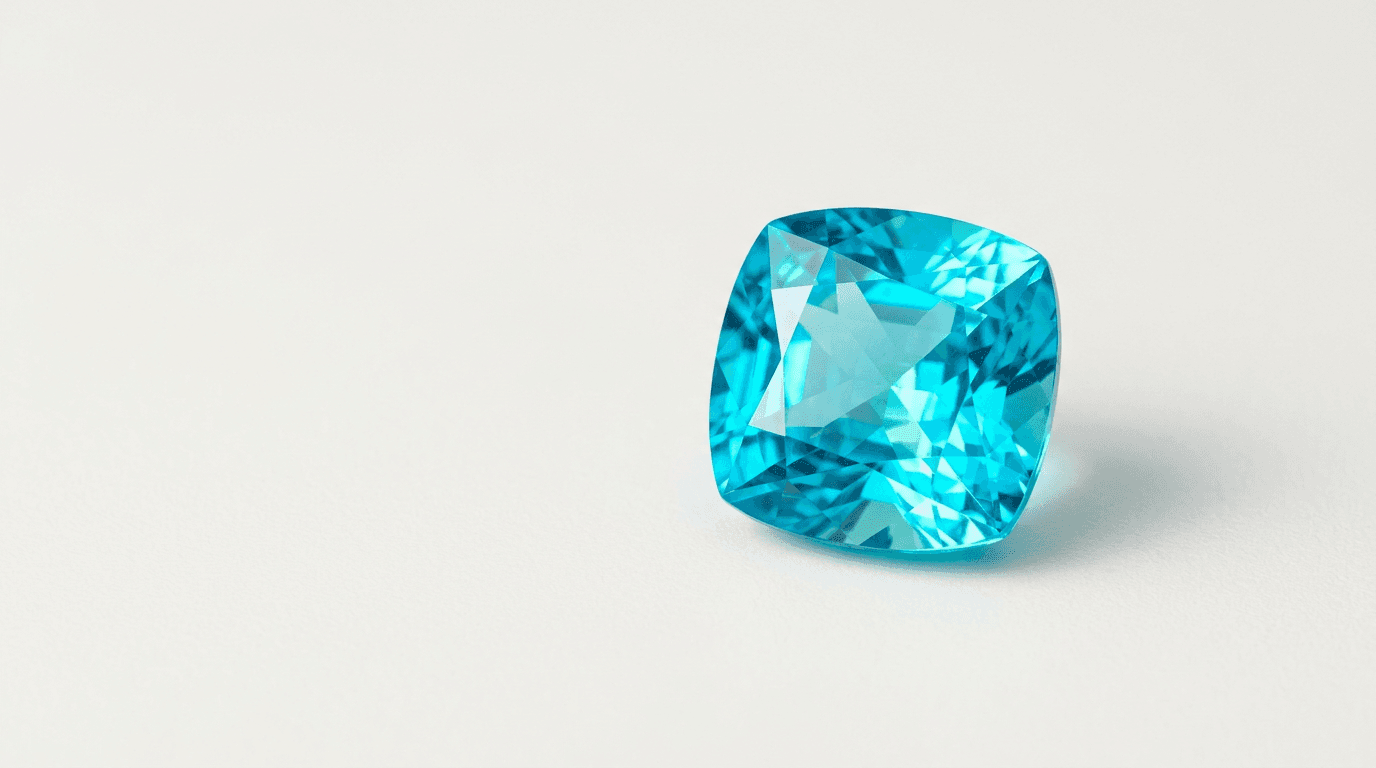
Faceted cushion-cut turquoise-blue tourmaline resting on a white surface
Illustrative image — not a documented specimen.

Definition

What is Ethiopian Paraiba tourmaline?

“Ethiopian Paraiba” is a trade term for copper-bearing tourmaline reported to come from Ethiopia. The Paraíba name originates with material found in Paraíba, Brazil; it is now widely applied — following laboratory nomenclature — to copper-bearing tourmaline of similar color from other localities.

A stone earns the description through a chain of evidence, not a single observation. Each link below has to hold.

  1. Step 1: Tourmaline

    Elbaite-group tourmaline

    The mineral species. Most Paraíba-type material described in the literature is elbaite or a closely related species.

  2. Step 2: Copper

    Copper confirmed by chemistry

    Copper must be detected by chemical analysis such as LA-ICP-MS or EDXRF. It cannot be seen or inferred from color.

  3. Step 3: Color

    Blue to green hue

    Copper (and manganese) influence the neon blue to green colors associated with the name, along with tone and saturation.

  4. Step 4: Name

    Laboratory nomenclature

    Whether a report uses “Paraíba” depends on the issuing laboratory’s criteria. Origin is stated separately, if at all.

Read the full definition

Color range

From neon blue to mint green

Ethiopian copper-bearing tourmaline is described across five working color categories. These are descriptive groupings for this site — not laboratory grades.

Color guide
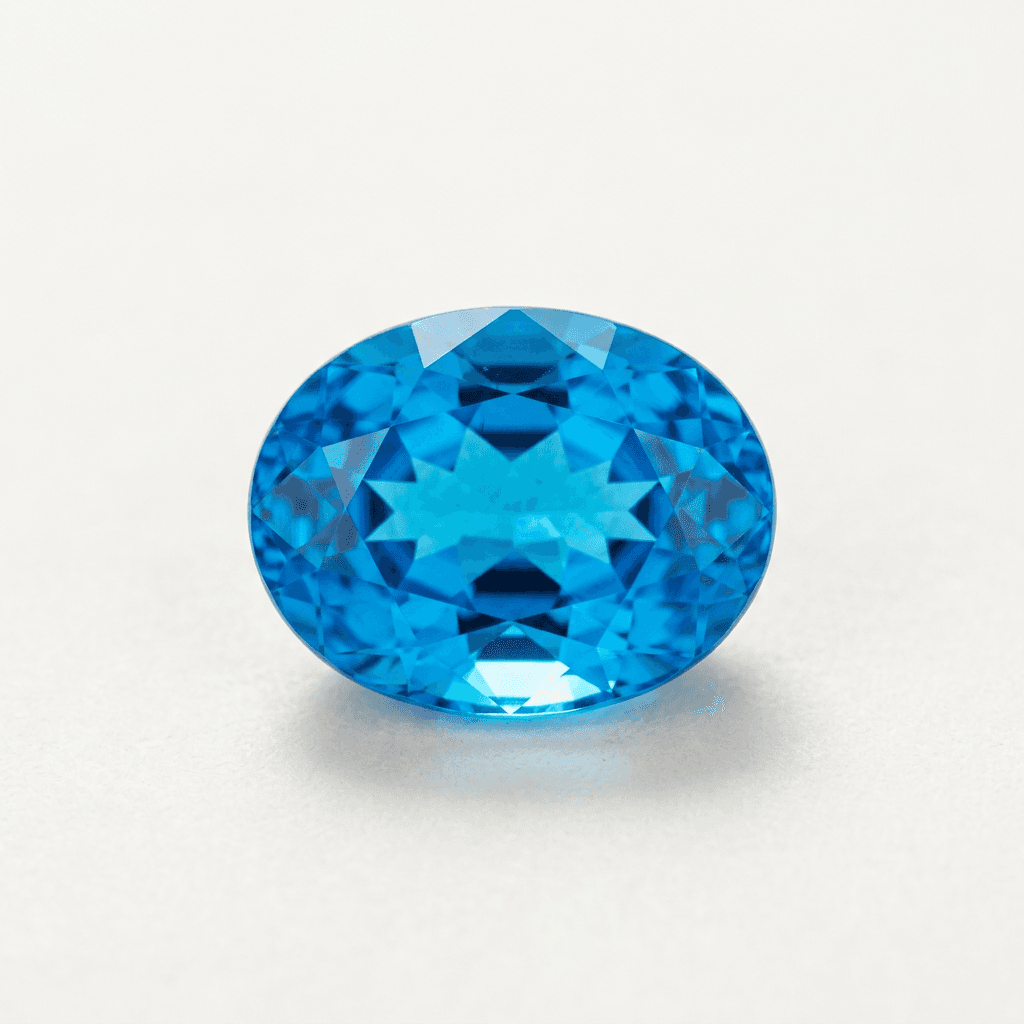
  • Illustrative oval neon blue tourmaline

    Neon Blue

    Highly saturated, bright blue with an electric quality — the hue most associated with the Paraíba name.

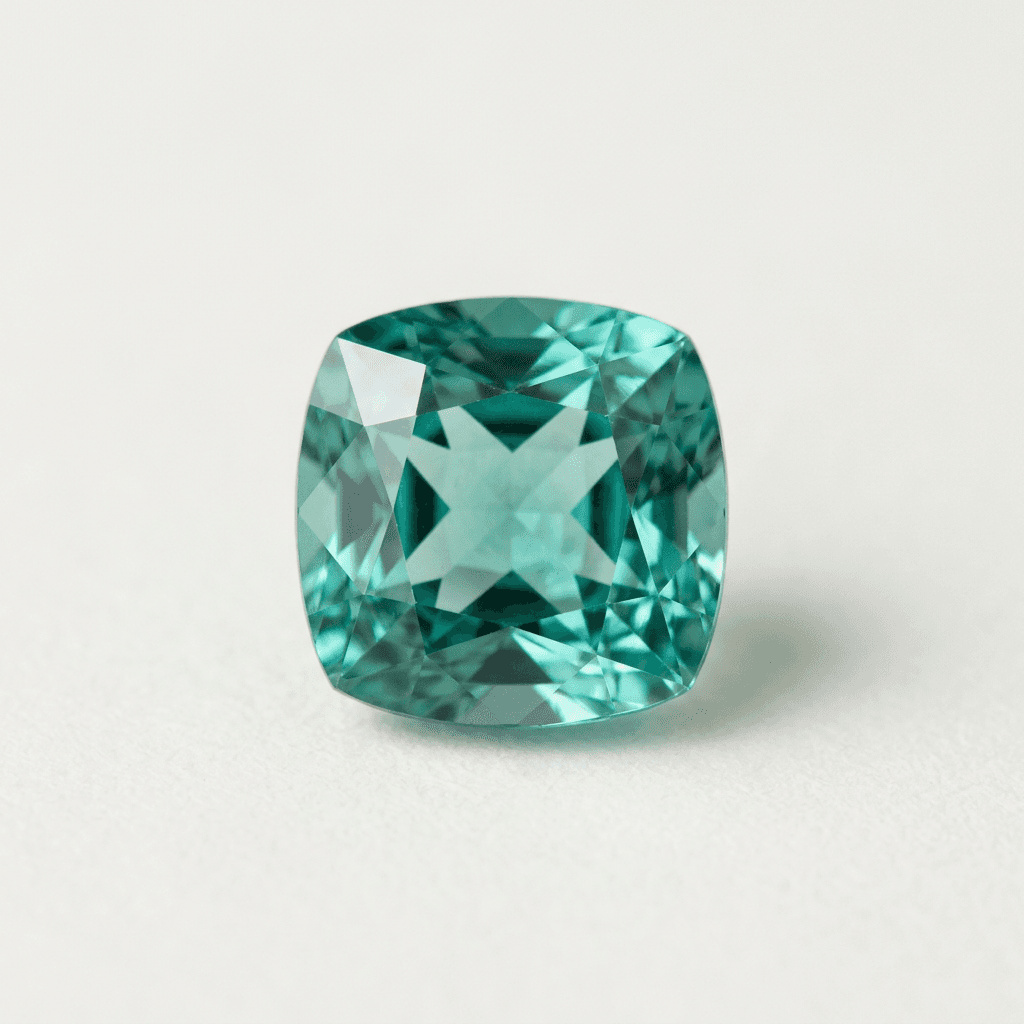
  • Illustrative cushion-cut greenish blue tourmaline

    Greenish Blue

    Blue dominant with a secondary green component; often described in the trade as turquoise or “swimming-pool” blue.

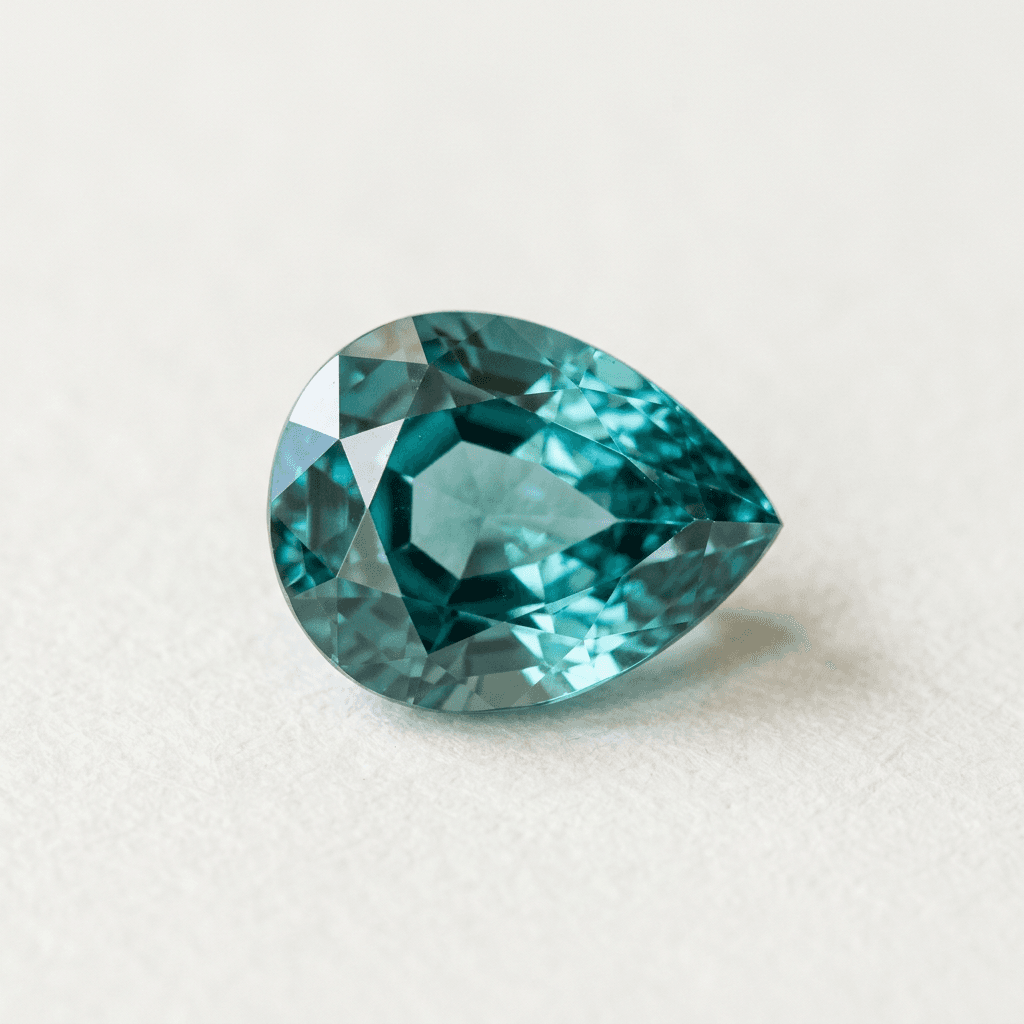
  • Illustrative pear-shaped bluish green tourmaline

    Bluish Green

    Green dominant with a blue component. Saturation and brightness strongly influence how it is graded.

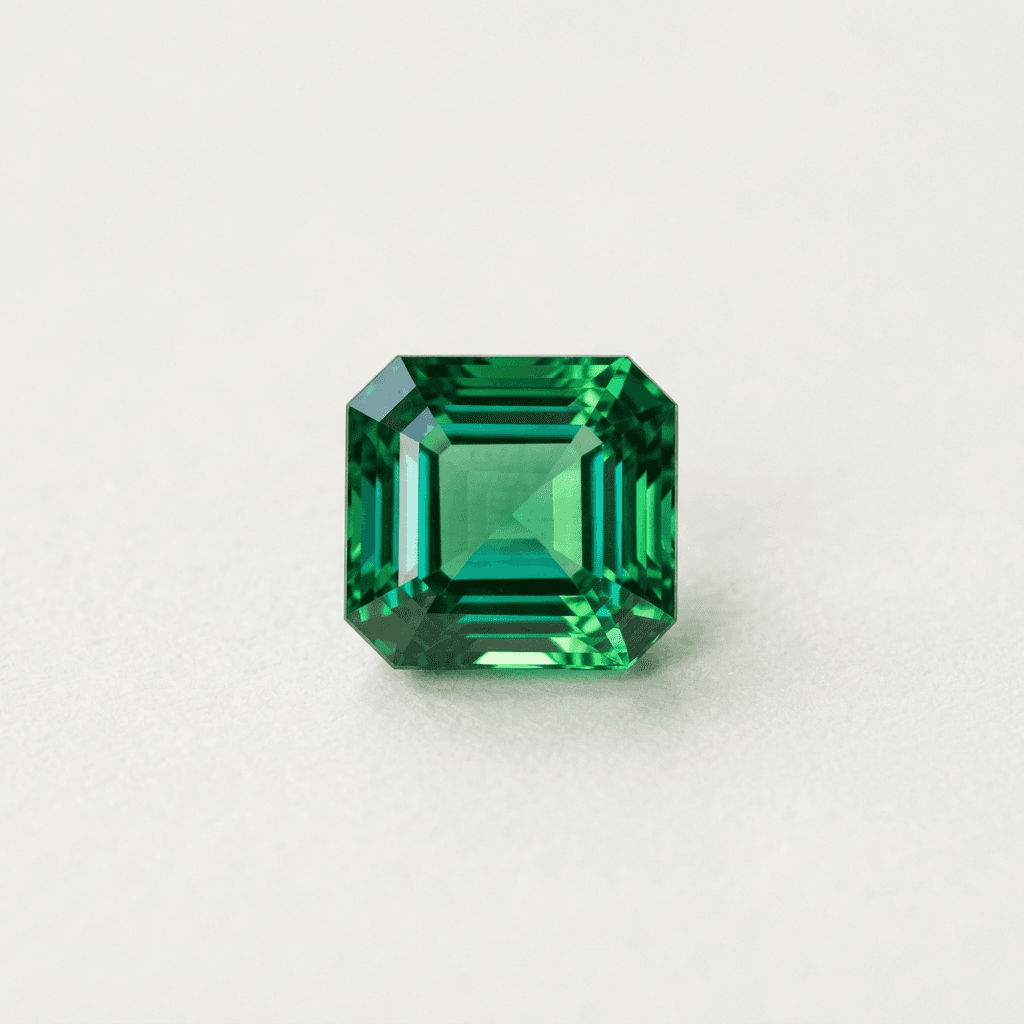
  • Illustrative emerald-cut vivid green tourmaline

    Vivid Green

    Saturated green. Whether green copper-bearing material falls within a laboratory’s Paraíba description depends on its criteria.

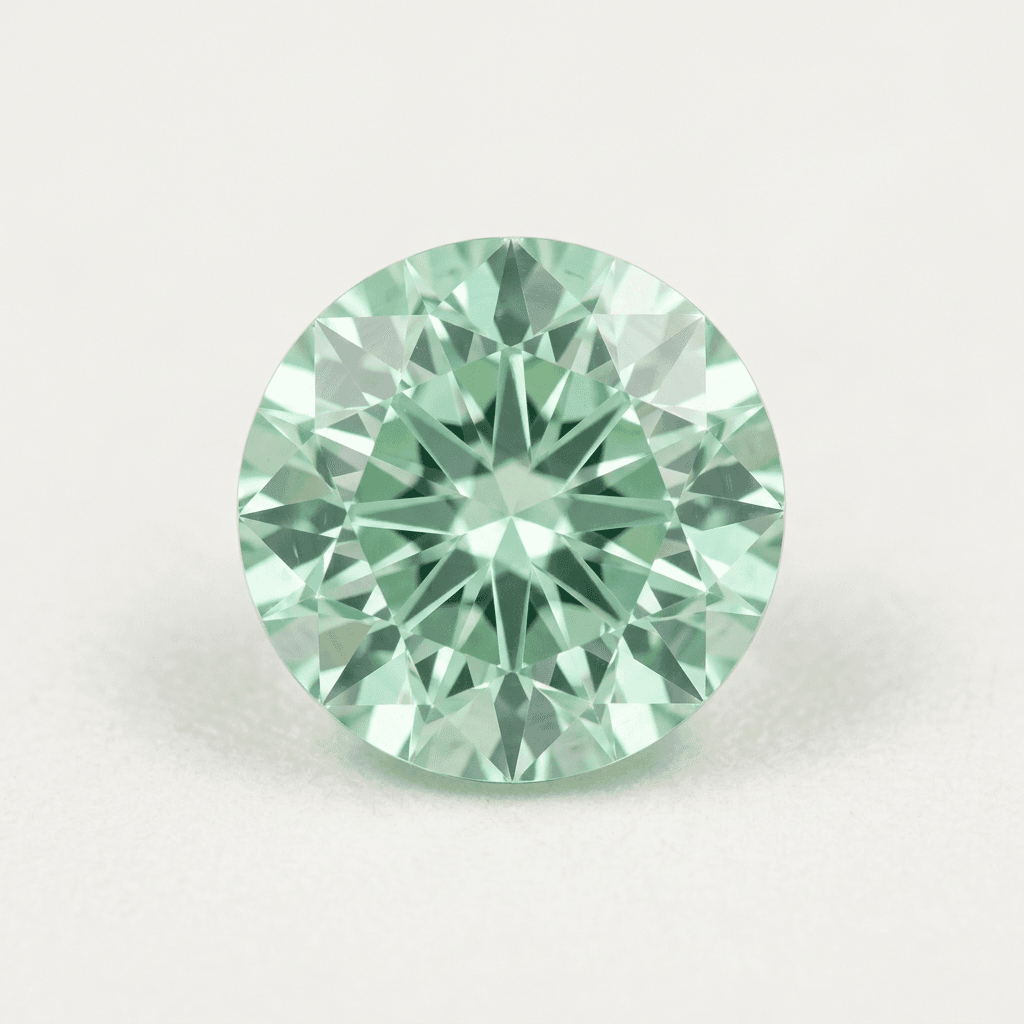
  • Illustrative round light mint green tourmaline

    Mint / Light Green

    Light tone, lower saturation green. Very light material may fall outside Paraíba nomenclature even when copper is present.

Images are illustrative and do not depict documented specimens.

Origin comparison

Ethiopia, Mozambique and Brazil

Differences between localities are tendencies reported in published studies — not rules that identify a single stone.

Full comparison
Comparison of copper-bearing tourmaline sources
AttributeEthiopiaMozambiqueBrazil
Geographic originEast Africa. Specific localities to be documented with verified sources.East Africa; deposits most often cited in Nampula Province (Alto Ligonha pegmatite district).North-eastern Brazil; the original Paraíba deposits and later finds in Rio Grande do Norte.
Typical colour rangeBlue, green and blue-green tourmaline reported in the trade; systematic colour documentation in progress.Blue, greenish blue, green, violet to purple; frequently heated to modify colour.Neon blue, greenish blue, green and violet; the reference point for “neon” saturation.
Copper-bearing materialMust be confirmed stone by stone through chemical analysis. Colour alone is not evidence.Copper-bearing material documented in published literature.Copper-bearing material documented since the original discovery.
Market historyComparatively recent and less documented; this site aims to build a verified record.Entered the market in the 2000s and now supplies much of the Cu-bearing tourmaline trade.Introduced to the international market around 1989; the origin of the trade name.
RarityNot yet quantified. Production volumes are not reliably published.Rare in fine qualities; larger clean stones occur more often than from Brazil.Very limited historic production; fine large stones are exceptionally rare.
Origin determinationDepends on each laboratory’s reference collection for Ethiopian material, which may be limited.Laboratories may offer an origin opinion based on trace-element chemistry and reference data.Laboratories may offer an origin opinion; Brazilian origin often carries a market premium.
Summary for orientation only. Origin opinions are laboratory-specific and not always possible.

Gemology

How it is identified

Identification is a laboratory process. Standard tests confirm the species; chemistry confirms copper; origin determination, where offered, draws on combined data and reference collections.

Gemological microscope in a laboratory setting

Market

What determines value

We do not publish price-per-carat figures without a dated, citable source. These are the factors that move price.

Price guide
Color
Hue, saturation and tone — the dominant factor.
Clarity
Eye-visible inclusions reduce value; some are expected.
Size
Larger clean stones are disproportionately scarce.
Cut
Proportions affect brightness and face-up color.
Treatment
Heat treatment is common and should be disclosed.
Documentation
A recognised laboratory report affects confidence and price.

Latest research & articles

All research

Record templates showing how each documented stone will be presented.

View gallery
  • Illustrative neon blue tourmaline used as a placeholder for sample ET-0001ET-0001Placeholder

    Neon Blue tourmaline — sample record template

    Weight
    Pending — to be entered from documented records
    Color
    Neon Blue (category placeholder)
    Origin
    Reported Ethiopia — unverified placeholder
    Lab report
    None — no laboratory report is associated with this placeholder
  • Illustrative greenish blue tourmaline used as a placeholder for sample ET-0002ET-0002Placeholder

    Greenish Blue tourmaline — sample record template

    Weight
    Pending — to be entered from documented records
    Color
    Greenish Blue (category placeholder)
    Origin
    Reported Ethiopia — unverified placeholder
    Lab report
    None — no laboratory report is associated with this placeholder
  • Illustrative bluish green tourmaline used as a placeholder for sample ET-0003ET-0003Placeholder

    Bluish Green tourmaline — sample record template

    Weight
    Pending — to be entered from documented records
    Color
    Bluish Green (category placeholder)
    Origin
    Reported Ethiopia — unverified placeholder
    Lab report
    None — no laboratory report is associated with this placeholder

Frequently asked questions

Is Ethiopian Paraiba real Paraíba tourmaline?

It depends on the stone and the laboratory. Several laboratories apply “Paraíba” to copper-bearing tourmaline of a qualifying color regardless of locality. A specific Ethiopian stone qualifies only if analysis confirms copper and the issuing laboratory’s criteria are met.

Can color alone tell me a tourmaline contains copper?

No. Similar blue and green colors occur in tourmaline without copper. Copper must be detected by chemical analysis such as LA-ICP-MS or EDXRF.

Can a laboratory confirm Ethiopian origin?

Some laboratories offer origin opinions based on chemistry and reference collections, and others do not. Where offered, origin is an opinion based on available data, and it may be stated as inconclusive.

Is Ethiopian copper-bearing tourmaline usually treated?

Heat treatment is common in copper-bearing tourmaline generally. Treatment status for any individual stone should be disclosed and, where possible, documented by a laboratory.